For grown-ups
Small, useful guides for bilingual families
Clear ideas you can try today, carefully sourced language notes, and no promise that one routine fits every child or community.
The Flori & Luna learning pathway
One set of words. Many ways to make them stick.
Each book introduces a small world of words and pictures. Games, coloring, music and stories revisit those same ideas through recognition, memory, creativity and conversation.
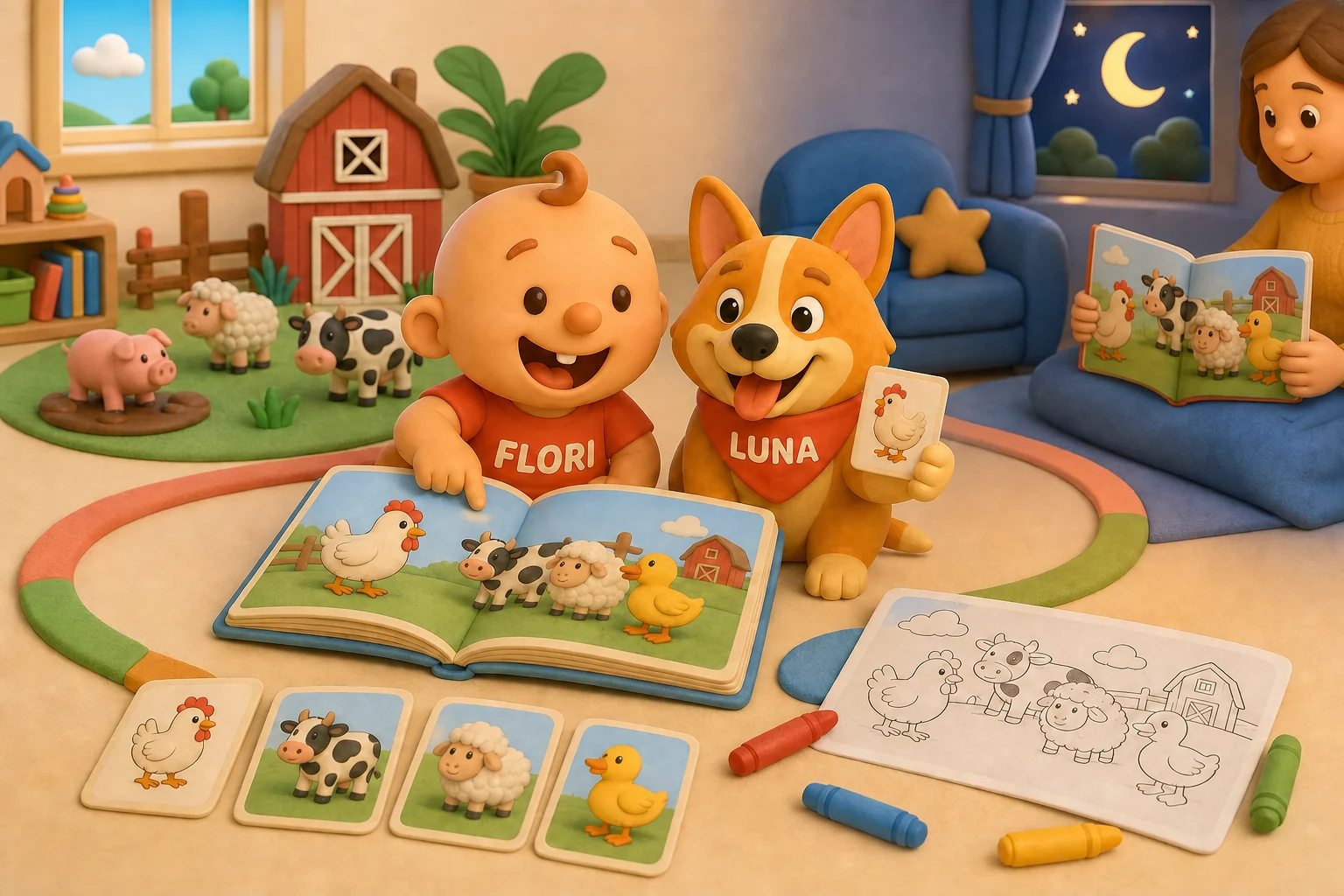
The book is the foundation. Every activity creates another useful connection to the same words.
Ages 0–3
Discover together
Read, point and nameA picture book introduces a small, friendly world of words.Ages 2–5
Practice through play
Match, remember and retrieveGames revisit the same pictures and words in new ways.Ages 3–6
Connect and create
Color, choose and retellCreative play links words to actions, choices and stories.Ages 5+
Read and lead
Solve, narrate and shareGrowing readers use the words independently and teach them back.
Ages overlap. Children develop at different rates, so follow your child’s pace and interests.
- Interactive family learning · Ages 4+
Family words in 14 languages
Tap relatives, hear every word, and follow the guided family walk in your language.
Explore the family tree → - Parent guide · 6 min
How to read a bilingual picture book together
A low-pressure shared-reading routine built around pointing, pausing, naming, and following your child's interest in either language.
Read the guide → - Parent guide · 7 min
Bilingualism and speech delay: what parents should know
A calm evidence guide to language mixing, vocabulary across languages, and when to seek individualized professional advice.
Read the guide → - Parent guide · 6 min
When your child understands more than they say
Low-pressure ways to make room for gestures, sounds, choices, and words—without turning everyday talk into a test.
Read the guide → 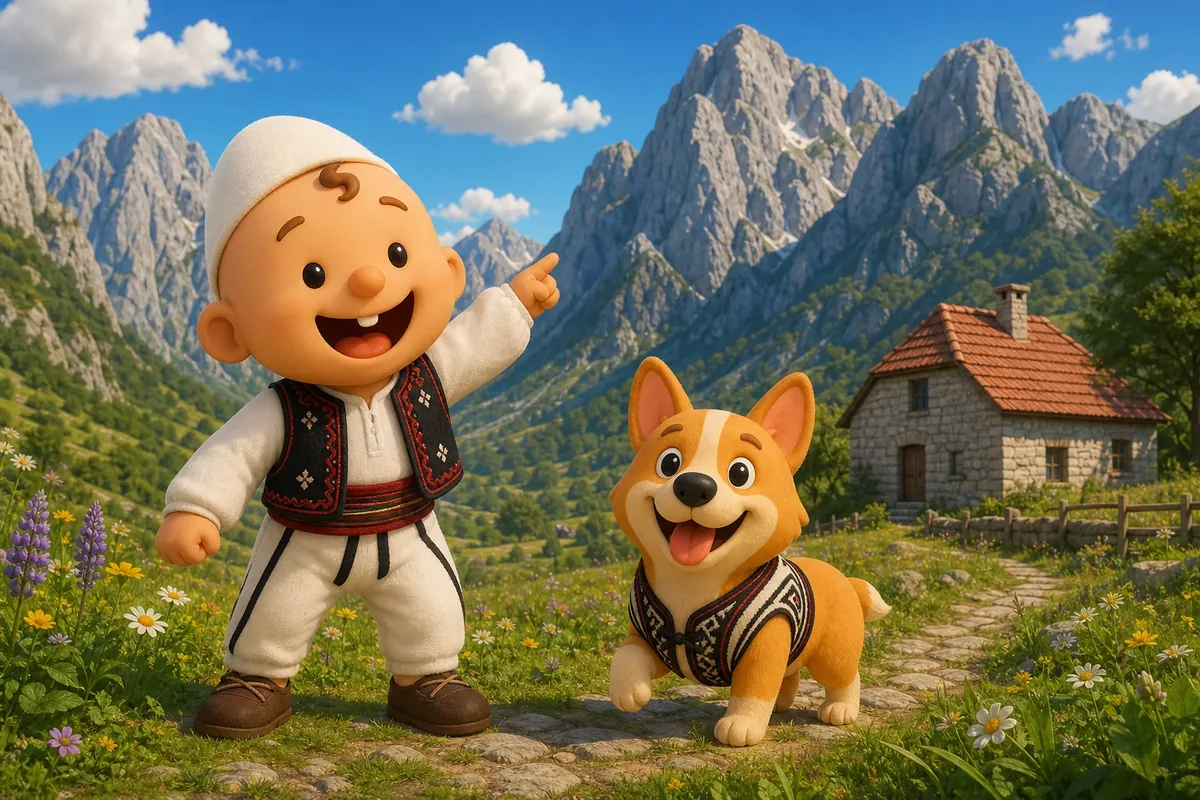 Albanian language guide · 7 min
Gheg and Tosk: an Albanian dialect guide for families
A family-friendly introduction to Albanian's two broad dialect groups, the modern standard, and why the language used at home matters.
Read the guide → Portuguese language guide · 7 min
Portuguese around the world: a guide for families
Portuguese connects communities on four continents, but it does not sound or feel exactly the same everywhere.
Read the guide →- Portuguese language guide · 7 min
Brazilian and European Portuguese: what families may notice
The same language, with differences in sound, rhythm, vocabulary, and everyday grammar—and plenty of variation within each country too.
Read the guide → 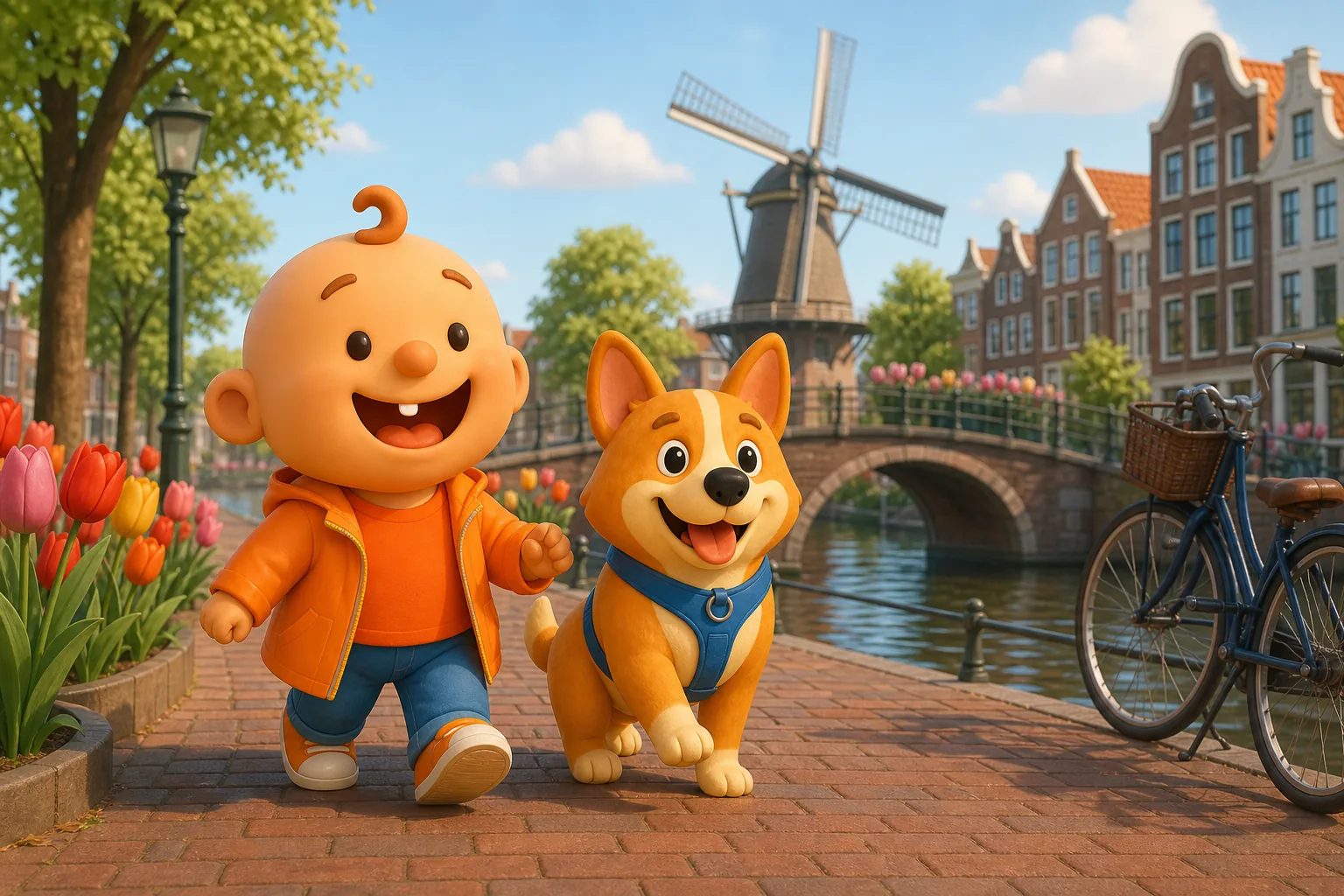 Dutch language guide · 6 min
Dutch and Flemish: one language, two homes
Why a Dutch book can sound like the Netherlands or like Flanders, what actually differs, and why the version your family speaks is the one worth using.
Read the guide → Italian language guide · 7 min
Standard Italian and Italy’s regional languages
Why a grandparent’s Italian can sound nothing like the book, what a ‘dialect’ really means in Italy, and how to let both live in the same house.
Read the guide → French language guide · 6 min
French around the world: which French is in your book?
France, Quebec, Belgium, Switzerland and much of West Africa all use French. What changes between them, what does not, and why your family’s French is fine.
Read the guide → Korean language guide · 6 min
Korean for families: why Hangul is easier than it looks
The Korean alphabet was designed to be learned quickly. What the blocks of letters mean, what changes in a Korean-speaking home abroad, and how to read a bilingual page together.
Read the guide → Czech language guide · 6 min
Czech for families: spelling that behaves, and the sound of ř
Czech is written almost exactly as it is said. What the little marks do, why the stress never moves, and why the Czech in your family may differ from the Czech in the book.
Read the guide →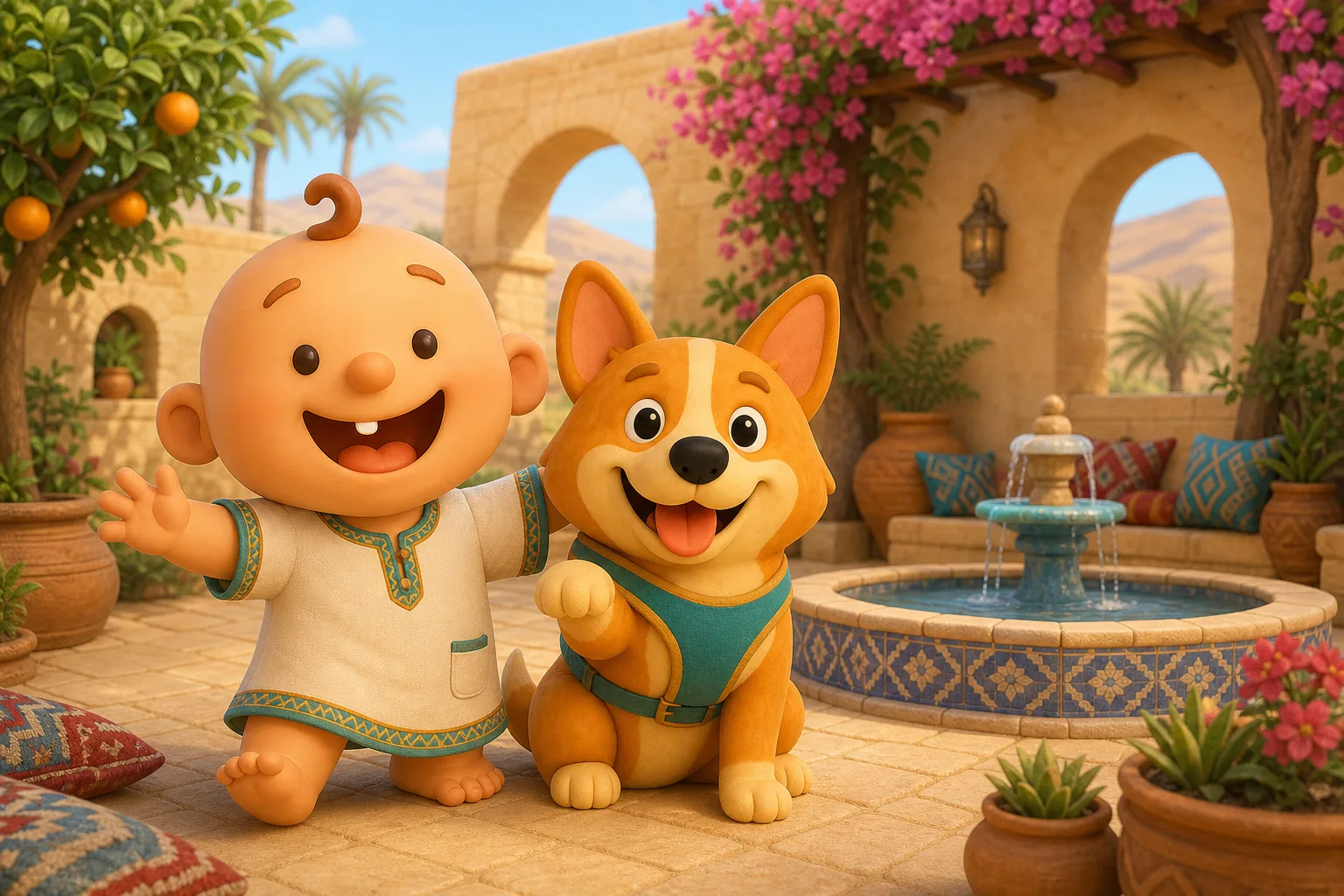 Arabic language guide · 7 min
Arabic for families: the language of books and the language of home
Written Arabic and the Arabic your family actually speaks are not the same, and that is normal. What is in a printed book, what a child hears from relatives, and how to use both.
Read the guide → Vietnamese language guide · 6 min
Vietnamese for families: tones, marks, and north versus south
Vietnamese uses the Latin alphabet, which makes it look approachable, and tones, which make it sound hard. What the marks mean and why your relatives may not all say a word the same way.
Read the guide → Spanish language guide · 6 min
Spanish for families: Spain, Latin America, and the book in between
Twenty-odd countries share Spanish and one written standard. What changes between them, what stays fixed, and why your family's Spanish is the right one to raise a child in.
Read the guide → Japanese language guide · 7 min
Japanese for families: three scripts and which one a toddler meets first
Japanese is written with hiragana, katakana and kanji at once. What each one does, why children's books look different from adult ones, and what to look for in a bilingual edition.
Read the guide → German language guide · 6 min
German for families: Germany, Austria, Switzerland
Three countries share written German and sound nothing alike. What the shared spelling covers, where the everyday words split, and why Swiss German is its own thing.
Read the guide →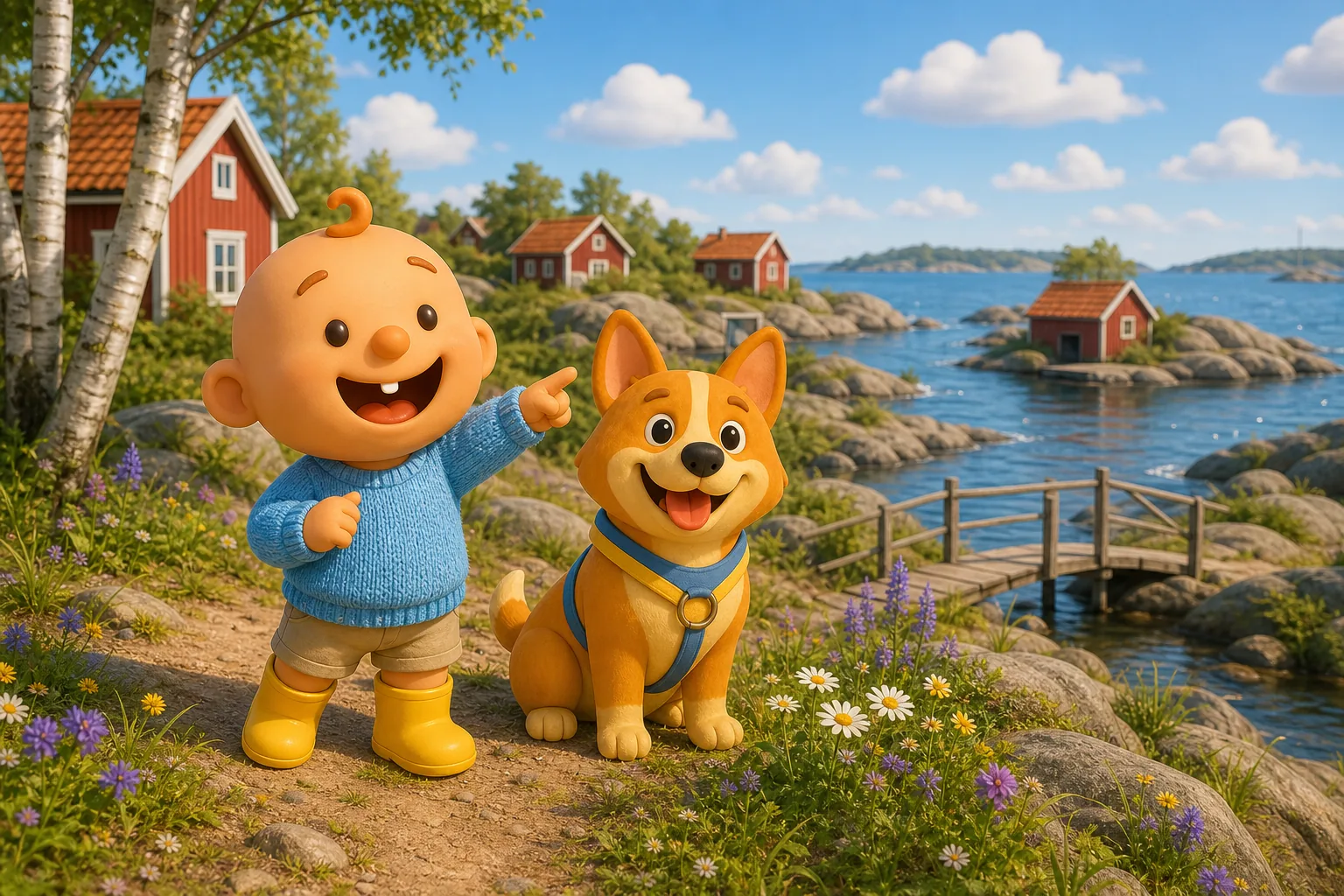 Swedish language guide · 5 min
Swedish for families: the melody and the ending that means the
Swedish sounds sung because it uses pitch, and it hides the word the on the end of the noun. Two things worth knowing before you read a Swedish page aloud.
Read the guide →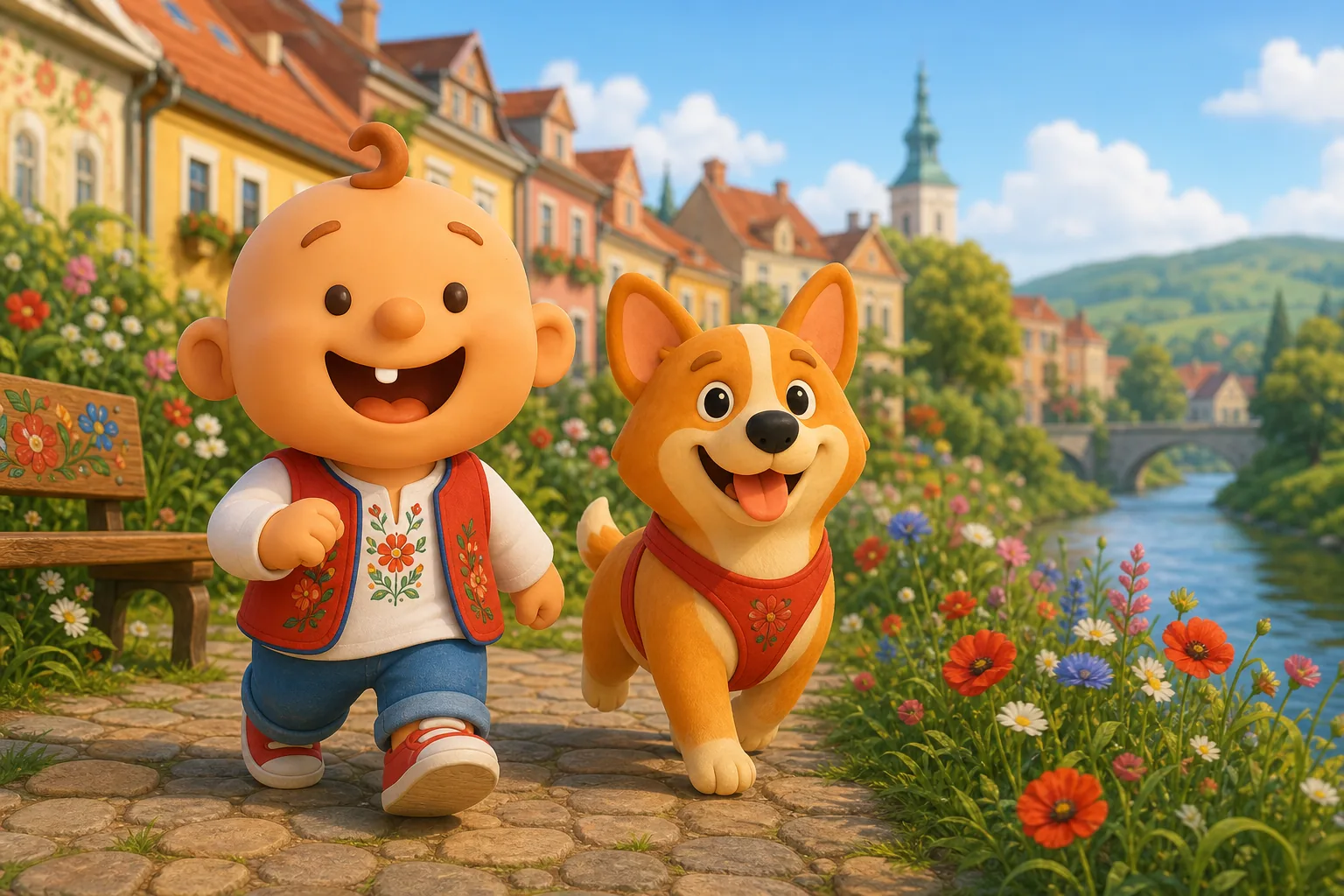 Polish language guide · 6 min
Polish for families: the stress rule that makes it readable
Polish looks harder than it is. The stress is nearly always in the same place, the spelling is consistent, and the long consonant clusters follow rules you can learn in an evening.
Read the guide → Norwegian language guide · 6 min
Norwegian for families: Bokmål, Nynorsk, and no standard accent
Norway has two official written languages and no official spoken one. What that means for a book, for a dialect-speaking relative, and for a child learning both at once.
Read the guide → Greek language guide · 6 min
Greek for families: an alphabet you half know, with the stress marked for you
Modern Greek prints an accent on every longer word telling you exactly where the stress goes. That one convention makes reading aloud far easier than the unfamiliar letters suggest.
Read the guide → Danish language guide · 6 min
Danish for families: why it is written one way and said another
Danish spelling and Danish speech drift further apart than in its neighbours. What that means for reading aloud, and why the printed word is a genuine help to a child.
Read the guide → Chinese language guide · 7 min
Chinese for families: which Chinese, and which characters?
Chinese is not one language, and it is not written one way. What a book labelled Chinese usually contains, and the two questions worth asking before you buy one.
Read the guide → English language guide · 6 min
English for families: which English is in the book?
Our editions use American English, and a first-words book is exactly where that shows. The words that differ, why none of them are wrong, and what to do if your English is the second language at home.
Read the guide →
New parent resources
Let Luna bring the useful ones
Get occasional Flori & Luna stories, guides, printables, and release news. Adult email only; confirmation required.